Tuesday, 25 September 2012

IRRI DG Zeigler meets with Indian agriculture minister

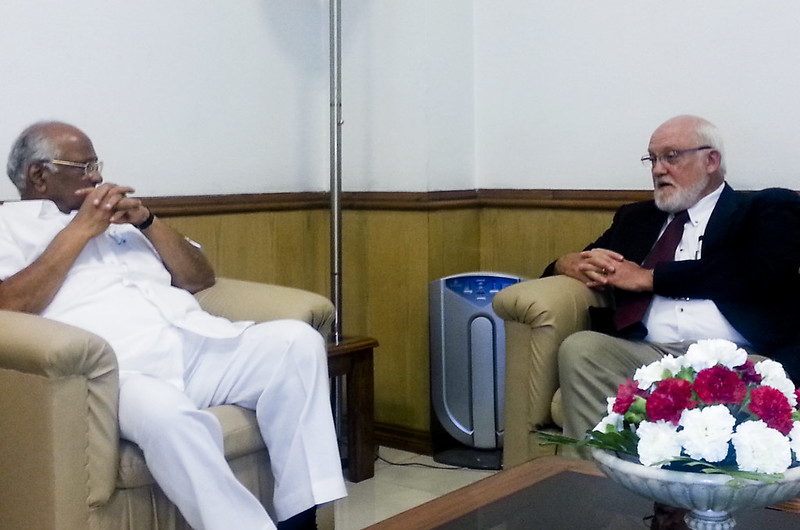
IRRI DG Bob Zeigler (right) meets with Indian Agriculture Minister Sharad Pawar.

During his recent visit to India, IRRI Director General Robert Zeigler had an audience with Minister of Agriculture Sharad Pawar, during which he apprised the minister of recent developments in rice research at IRRI and the support extended by IRRI to the Government of Assam during a recent flooding in the state.

Myanmar: Training held on participatory variety selection for the Lower Ayeyarwady Delta


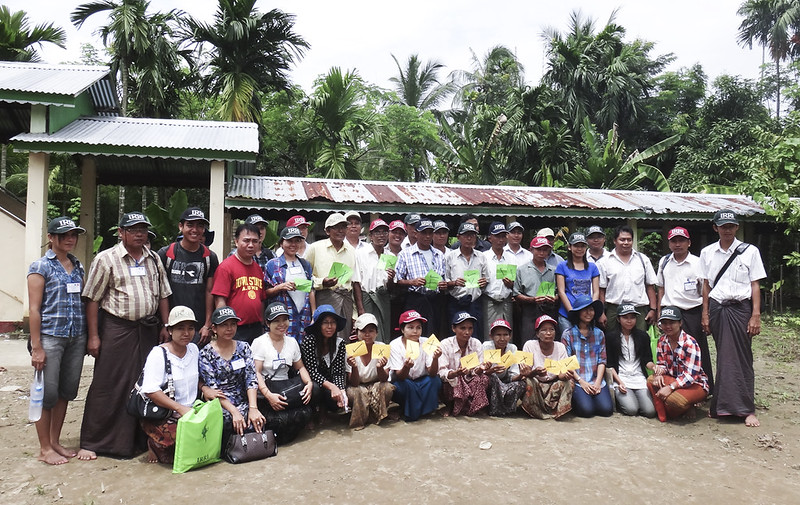
A training course on participatory variety selection or PVS was conducted in the Labutta (13-15 September) and Bogale districts (18-20 September) in the Ayeyarwady Delta of Myanmar.

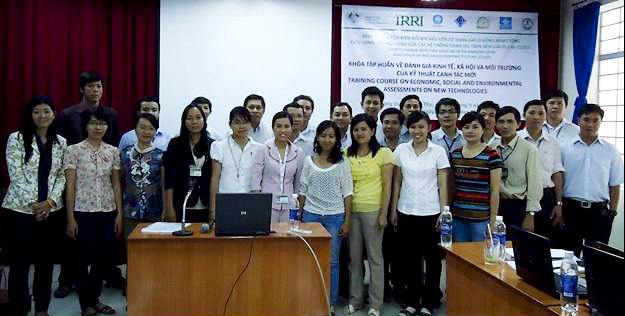
Vietnam: CLUES project holds workshop on assessment of new technologies


A workshop, Economic, social and environmental assessments of new technologies, was held on 19 September 2012 at Can Tho University (CTU) in Vietnam, attended by 25 technical staff of the CLUES Project from Cuu Long Delta Rice Research Institute and CTU.
Professor Le Quang Tri, national project director, said in his opening message that providing added knowledge and tools on socioeconomics are crucial to the CLUES Project attaining its objectives.
Topics covered in the workshop were:
  • Simple economic analysis tools like partial budgeting analysis and economic inefficiency analysis
  • Survey methods and data generation for technology assessment
  • Cost-benefit analysis
Also introduced during the workshop is DREAM, or Dynamic Research EvaluAtion for Management software, and its applications for economic analysis of technology impact assessment.

Vo Thanh Danh, dean of the School of Economics and Business Administration at CTU, was resource speaker.

The workshop was organized by Theme 4 of the CLUES Project.


Learn more about IRRI (www.irri.org) or follow us on the social media and networks (all links down the right column).

Philippines: Postharvest Learning Alliance helps farmer groups develop business plans

Al Schmidley, IRRI business model specialist,
says that farmers can be very innovative when enabled.
The Sto. NiƱo Multipurpose Cooperative (SPMC) and the Taguibo Farmers’ Irrigators Association hosted working meetings in Agusan to develop business plans for postharvest enterprise activities, with support from the Postharvest Learning Alliance and Caraga State University.


The goal of the meetings was to enable farmer groups to develop their own business plans for piloting or expanding their postharvest activities as entrepreneurial enterprise models. Two particular areas identified, for which business plans are being developed by the farmer groups, were mechanical drying of farmers’ paddy and use of rice by-products.

Gertrudes Fortun, agriculturist from Butuan City, expressed hope that the farmer groups will use the business plan tool to attract resources for adoption of improved postharvest technologies, such as mechanical dryers.

Plenio Atega, SMPC president, explained that, during the wet season, harvested paddy "often remain covered too long on sun-drying platforms during extended rainfall, sometimes even germinating before we can dry it for milling." The result is very low-quality paddy and milled rice, and farmers like him lose a lot of money as a result.

At the Taguibo Irrigators Association, President Romy Lasco had a similar concern. “Our farmers can lose at least 30% of the crop due to lack of drying facilities during the wet season. Traders then discount the equivalent of 5 kilograms off the price out of every 50 kilograms due to low paddy quality, and farmers lose another 10%.”

Professor Raquel Balanay, an economist from Caraga State University, and Alfred Schmidley, business model specialist for IRRI, advised the farmers’ groups on the use of a business plan.

“During the meetings, we examined the business case for offering mechanical drying services to farmers but discovered many other interesting enterprise activities that these farmers are engaged in," shares Dr. Balanay. "For example, both farmers groups recently began vermiculture and organic fertilizer enterprises that usepostharvest by-products such as rice hull, rice stalks, and coconut husk fiber. They mix these with livestock manure to form high-nutrient compost, a product that helps farmers decrease input cost while allowing their organizations to sustain themselves by selling higher-margin value-added products. The Taguibo group is now looking at setting up a small shop in Butuan for selling vermiculture products, compost, and farmer-produced organic food items."
 
“Farmers, when properly enabled, can be very resourceful and innovative,” Mr. Schmidley observed. “The business plan tool can help them analyze the business case for new technologies, expand profitable enterprise activities, or attract additional resources and capital.”

The next step for the Postharvest Learning Alliance is to host a multi-stakeholder meeting in November where farmer groups, microfinance institutions, rural credit cooperatives, and other groups can learn more about postharvest enterprise opportunities.


Learn more about IRRI (www.irri.org) or follow us on the social media and networks (all links down the right column).

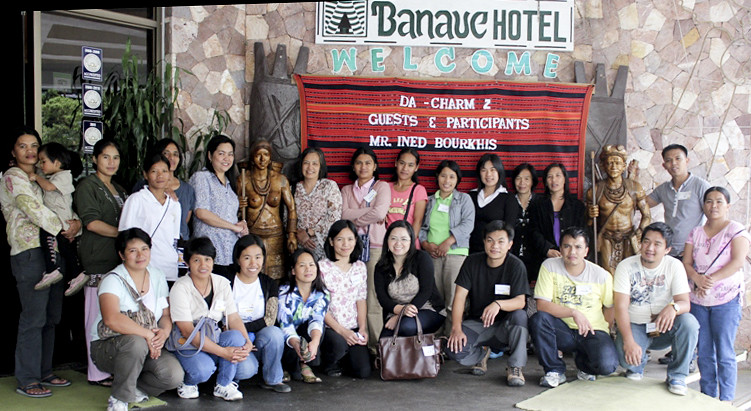
Philippines: Cordillera farmers and extension workers learn to document activities


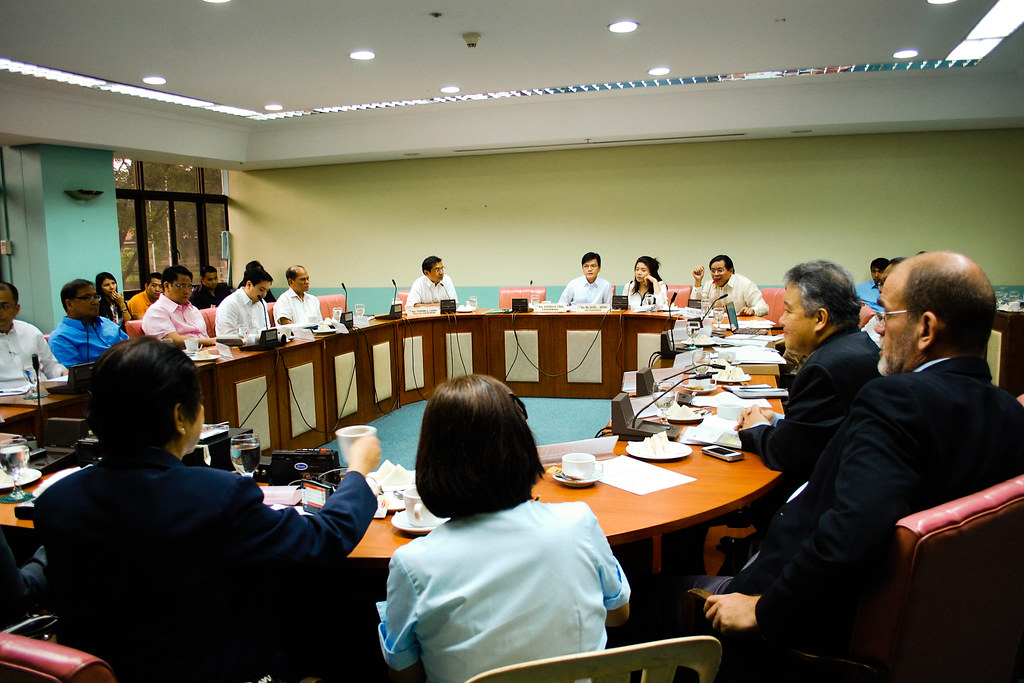
Twenty-four farmers and extension workers from the Cordillera Region in Northern Philippines were participants in a workshop on documentation of participatory activities, organized by the Consortium for Unfavorable Rice Environments (CURE).


"The workshop is part of a linkage that CURE had built with IFAD investment projects, called 'technical innovation service' or TIS," explains Digna Manzanilla, IRRI social scientist and CURE associate coordinator.

The Consortium entered into a partnership in early 2011 with the IFAD-funded Second Cordillera Highland Agricultural Resource Management Project (CHARMP2). The documentation workshop is part of the series of activities lined up for farmers and extension workers from the project's three pilot villages—Hungduan in Ifugao, Barlig in Mountain Province, and Pasil in Kalinga.

The workshop's aim is to provide participants with tools for organizing, analyzing, and documenting field-based information. It provided help on writing documentation reports and packaging these into formats that are tailor-fit to the needs and characteristics of specific audiences.

Dr. Manzanilla adds, “The workshop should help our partners understand the importance of drawing lessons from the activities that they implement at the grassroots level, and of sharing these to others, especially other partners and donors.”

The workshop was held on 18-20 September 2012 at Banaue Hotel in Ifugao Province.


Learn more about IRRI (www.irri.org) or follow us on the social media and networks (all links down the right column).
Tuesday, 18 September 2012

Turkey: New strategic direction set for temperate rice


Temperate rice research will take on a new direction this year as the Temperate Rice Research Consortium (TRRC) revises research strategies during its steering committee meeting this week (17-19 September 2012) at the Trakya Agricultural Research Institute (Trakya Tarimsal Arastirma Enstitusu or TTAE) in Edirne, Turkey.


This week's meeting allows the consortium to assess progress of research conducted in 2011-12 and continue setting strategic directions for 2013-14. The program includes updates on TRRC activities, reports on working group research, and overview of the status of temperate rice research and industry in countries and regions beyond the current TRRC network.

For the first time, the program includes a schedule for working groups to convene separately and discuss plans for research activities, cross-visits, greater interaction, and training. The groups are expected to come up with an outline of what they each intend to achieve in 2013-14.
 
Russell Reinke, TRRC Coordinator, provides guidance towards development of new initiatives that will expand TRRC activities to other parts of Asia and other regions, such as Africa and Latin America.

Edirne was chosen as the venue for the meeting, as half of Turkey’s rice production comes from this region.

TTAE has had a long-standing collaboration with CG centers such as IRRI and CIMMYT, as well as with FAO, local research institutes, and private companies. TTAE Director Necmi Beser believes that many things can still be done to improve yield, quality, and production in temperate rice, and the most efficient way to accomplish this is by sharing scientific research through international partnerships.

Evgeny Kharitonov, director of the All-Russian Rice Research Institute (ARRRI) and chair of this year's meeting, is happy to see a continuation of the novel strategies initiated in last year’s meeting held at his Institute.

Achim Dobermann, IRRI deputy director general for research, and representative of the Global Rice Science Partnership (GRiSP), cited TRRC as a "wonderful example of scientific exchange of materials and technology where everybody can learn something from somebody else’s experience."

The TTAE-TRRC partnership has elicited strong support from the Turkish government, evident in the attendance of prominent officials—Necdet Bayirli, province director for Food, Agriculture, and Rural Affairs; and Ali Osman Sari, deputy director of the General Directorate of Agricultural Research and Policies.


Learn more about IRRI (www.irri.org) or follow us on the social media and networks (all links down the right column).
India: 6th hybrid rice meet held in Hyderabad

IRRI DG Robert Zeigler, addressing
hybrid rice stakeholders
in Hyderabad, India.
The 6th International Hybrid Rice Symposium was held last week (10-12 September) in Hyderabad, India, gathering scientists and policymakers from around the world to discuss developments and issues on hybrid rice.

Addressing about 450 delegates from 32 countries were China's Yuan Longping, the "Father of Hybrid Rice;" Robert Zeigler, director general of IRRI; S. Ayyappan, director general, Indian Council of Agricultural Research (ICAR), and secretary for agricultural research and education; and Ashish Bahuguna, secretary for agriculture and cooperation.

The Symposium was opened by K. Laxminarayana, agriculture minister of Andhra Pradesh, who called upon the scientists, farmers, and political leaders present to "come forward to meet the challenges in rice production" and adopt the latest technologies to enhance productivity.

Prof. Yuan, who is also director general of the China National Hybrid Rice R&D Centre, talked about the significant role that hybrid rice has in sustaining food security in developing countries such as China and India.

Dr. Zeigler expressed concern regarding prevailing drought conditions in Asia and other parts of the world, and the need to develop new varieties of hybrid rice that require less water.

Mr. Bahuguna, said that there are still many issues to address related to India's food requirement inspite of the advantages of hybrid technology.

Dr. Ayyappan, said the symposium will be the "guiding force" in crafting plans for further development of hybrid rice technology. He also elaborated on capacity building programs and new initiatives.

The International Hybrid Rice Symposia are held once every four years in various parts of the rice-growing world to provide a venue for all stakeholders of hybrid rice to come together and discuss research, seed production, and development issues. 

This year's event was jointly organized by IRRI and ICAR and its constituent organization, the Directorate of Rice Research in Hyderabad.


Learn more about IRRI (www.irri.org) or follow us on the social media and networks (all links down the right column).

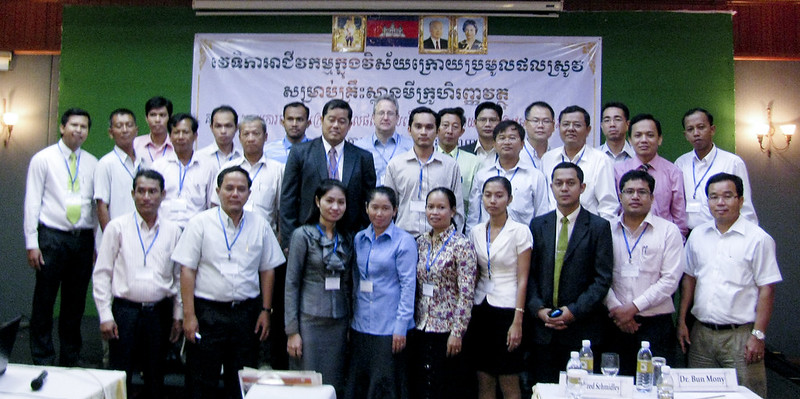
Cambodia: Postharvest Learning Alliance sponsors forum on microfinance


The multistakeholder Cambodia Postharvest Learning Alliance sponsored a business forum, Emerging opportunities for microfinance in the postharvest rice sector, held on 14 September 2012 at the Himawari Hotel in Phnom Penh.

Thirty-one participants came, representing 9 microfinance institutions (MFIs), Asian Development Bank; Cambodia Agricultural Value Chain Program; IDE; HARVEST; provincial departments of agriculture; Cambodia’s Ministry of Agriculture, Forestry, and Fisheries (MAFF); Departments of Agricultural Extension and Agricultural Machinery; private sector rice processors; IRRI; and the local project team. 

The event was opened by Meas Pyseth, coordinator, IRRI Postharvest Project; Bun Mony, CEO of SATHAPANA, one of Cambodia's leading MFIs; and Alfred Schmidley, IRRI business model specialist.

Dr. Pyseth, in his welcome remarks, highlighted project achievements and technologies now available to farmers and other chain actors that reduce physical losses, improve quality, and allow value-adding throughout the chain. These technologies include combine harvesters, mechanical dryers, and hermetic storage options that have been tested and studied in a business model context for sustainability and improving incomes of farmer and other rural actors.

“The next step for the Project is to link actor-specific business plans with MFIs by improving financial literary and creating awareness about loan products and postharvest sector opportunities,” IRRI's Dr. Schmidley stated. “By identifying needs for technical support and disseminating knowledge about improved technologies and postharvest management options, the Learning Alliance can help reduce risks to actors and loan providers in newly emerging enterprises.  However, to achieve this we need to improve financial literacy of actors and create awareness among MFIs about emerging opportunities.”

“To achieve better outcomes, we need human resources and financial capital, but it’s also important to find better ways to deploy resources more effectively by joining together with other actors,”  Dr. Mony added. “There are 33 MFIs licensed by Cambodia’s National Bank that have more than 800 branches countrywide. While 40% of Cambodian households have used microfinance in the past, we need to offer suitable loan products that serve new needs while keeping in mind the commercial context of enterprises.”


Learn more about IRRI (www.irri.org) or follow us on the social media and networks (all links down the right column).
Nepal: Training on rice-based farming systems held in Kathmandu


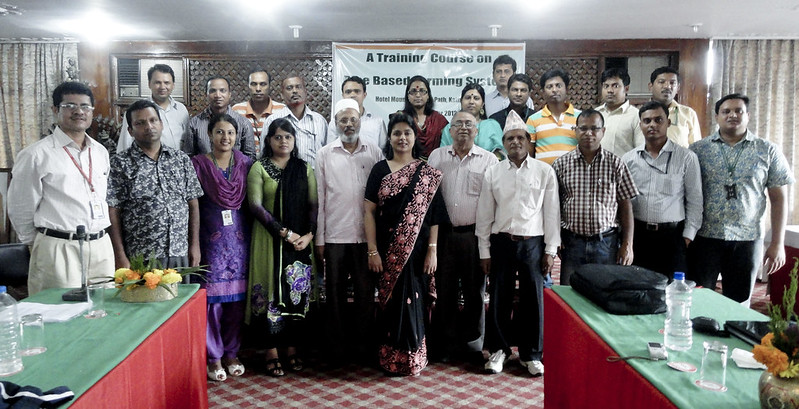
Twenty IRRI staff attended Rice-based farming systems, a 5-day (10-14 September 2012) training program held in Kathmandu. The program sought to familiarize participants with rice-based farming under different ecosystems in Nepal and Bangladesh. Rice, the staple food of the Nepalese people, is grown in various physiographic conditions, from the terai (plains) to areas of about 3,000 feet above sea level.

Resource persons presented papers on the characterization and analysis of past and current farming in different ecosystems (terai or plains, low hills, mid-hills, and high hills).

Topics presented also included production management, mechanization, and postharvest technologies in rice-maize, rice-wheat, rice-vegetables, rice-livestock, rice-poultry, and rice-fish systems. Problems, constraints, and opportunities in each of these systems were elaborated. Cross-cutting issues on rice-based farming systems between the two countries were hot topics in the discussions.

The participants were also taken on a tour of the research stations of the Nepal Agricultural Research Council in Kathmandu that showcased technologies as applied in rice, maize, vegetable, and pulse, particularly in the mid-hills. They also learned about trout-farming at Kakni, in Nuwakot District.

The training was organized by the Cereal Systems Initiative for South Asia and IRRI-Nepal. 


Learn more about IRRI (www.irri.org) or follow us on the social media and networks (all links down the right column).

Monday, 17 September 2012

Training on mass metrology held for IRRI staff

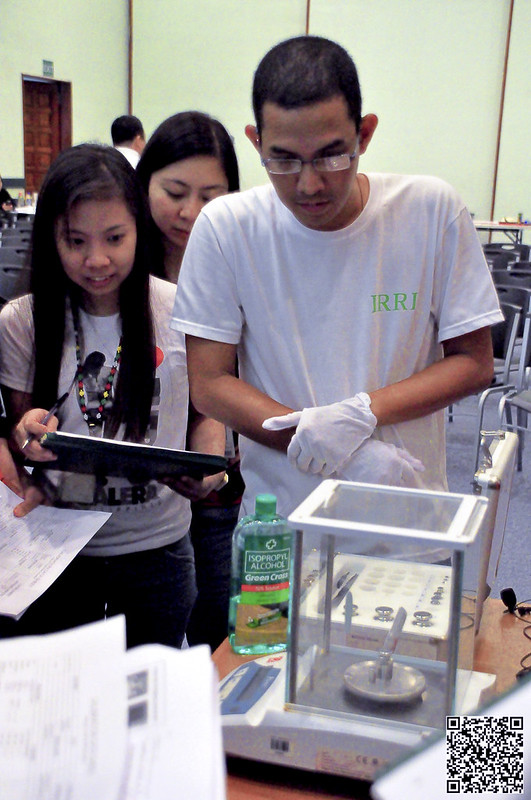
A training-workshop, Technical requirements for calibration and measurement traceability of weighing instruments and meter sticks, was held at IRRI on 12 September 2012 to enhance accuracy and traceability of data collected using the weighing balance and the meter stick.

The workshop was held in two parts: a lecture on technical calibration requirements and traceability, and a hands-on session on calibration of electronic weighing balances and meter sticks. It was attended by 55 staff from IRRI's various laboratories.

Proper calibration of weighing instruments will ensure that measurement data are accurate and traceable to international weight standards. Previous calibration workshops were held in December 2010 and July 2011.

Resource for the workshop was Roxan de Luna Roxas, quality and technical manager of Metrologie Concepts Solutions, Inc. in the Philippines.

The workshop was organized by IRRI's Risk Management Quality Assurance unit.


Learn more about IRRI (www.irri.org) or follow us on the social media and networks (all links down the right column).

Tuesday, 11 September 2012

IRRI scientists receive medals from Vietnam

IRRI scientists are among the recipients of medals from Vietnam’s Ministry for Agriculture and Rural Development  that were presented in September this year. They were awarded during the 60th anniversary of the Vietnam Academy of Agricultural Sciences for the cause of agriculture and rural development of Vietnam.

The recipients were Reiner Wassmann (senior scientist and coordinator, Rice and Climate Change Consortium), Gerard Barry (leader, Golden Rice Project) and Romeo Labios (consultant, CLUES
project).


Learn more about IRRI (www.irri.org) or follow us on the social media and networks (all links down the right column).
CURE joins IFAD gender skills training for trainers


The Consortium for Unfavorable Rice Environments (CURE) took part in the Gender-based effectiveness skills training, or G-BEST, organized by the IFAD Philippines Program Office held on 3-8 September 2012.

Digna Manzanilla, IRRI social scientist and associate CURE coordinator, and Annette Tobias, CURE assistant scientist, were the representatives in the training course, which aimed to equip gender trainers and enhance cognitive and action learning on gender-based effectiveness among IFAD project staff.

“We expect our participants to be able to utilize the Gender Mainstreaming Strategic Focus that was drafted by the IFAD-Philippines Gender Network in coming up with their respective action plans on enhancing gender mainstreaming,” explained Virginia Verora, IFAD gender coordinator. Participants should be able to deliver the training program for their project partners to instill gender-consciousness and apply knowledge and approaches in promoting gender equality and women empowerment objectives more effectively.

The training was attended by 16 (14 women and 2 men) participants from various IFAD-supported projects in the Philippines and was a follow up to a previous training on the same topic. It was held at the Tagaytay International Convention Center in Cavite, Philippines.

Resource persons came from the Bureau of Agrarian Reform Beneficiaries Development of the Department of Agrarian Reform, and IFAD Philippines.


Learn more about IRRI (www.irri.org) or follow us on the social media and networks (all links down the right column).
Philippines: IRRI takes part in Congress hearing on NM Rice commendation


The Committee on Information and Communications Technology of the Philippine House of Representatives has invited IRRI to share its views and recommendations regarding House Resolution 905, commending SMART Communications and Globe Telecoms in partnering with the Department of Agriculture and IRRI in the implementation of the NM Rice Mobile Project.

Bruce Tolentino, deputy director general for communications and partnerships, and Marco van den Berg, chief information officer, attended the committee hearing. HR 905 was authored by Angelo Palmones, AGHAM Party List representative.

The hearing also became an opportunity for Dr. Tolentino and Mr. van den Berg to inform committee members, composed of 51 congressmen, not only more about the NM Rice Project but about IRRI's other partnerships with the Philippine Government, especially with the Department of Agriculture.

Upon hearing these elaborations, Rep. Palmones amended the resolution to commend IRRI directly. He also called on SMART, the Philippine Long Distance Telephone Company (PLDT), and Sun Cellular to work on enabling NM Rice Mobile on their systems at the soonest possible time. At the moment, NM is operational only on the Globe network. 

Dr. Tolentino also met with Rep. Palmones for further briefing, and will follow up on collaborations between IRRI and AGHAM Party List.


Learn more about IRRI (www.irri.org) or follow us on the social media and networks (all links down the right column).
Bangladesh: CSISA specialist wins best paper award

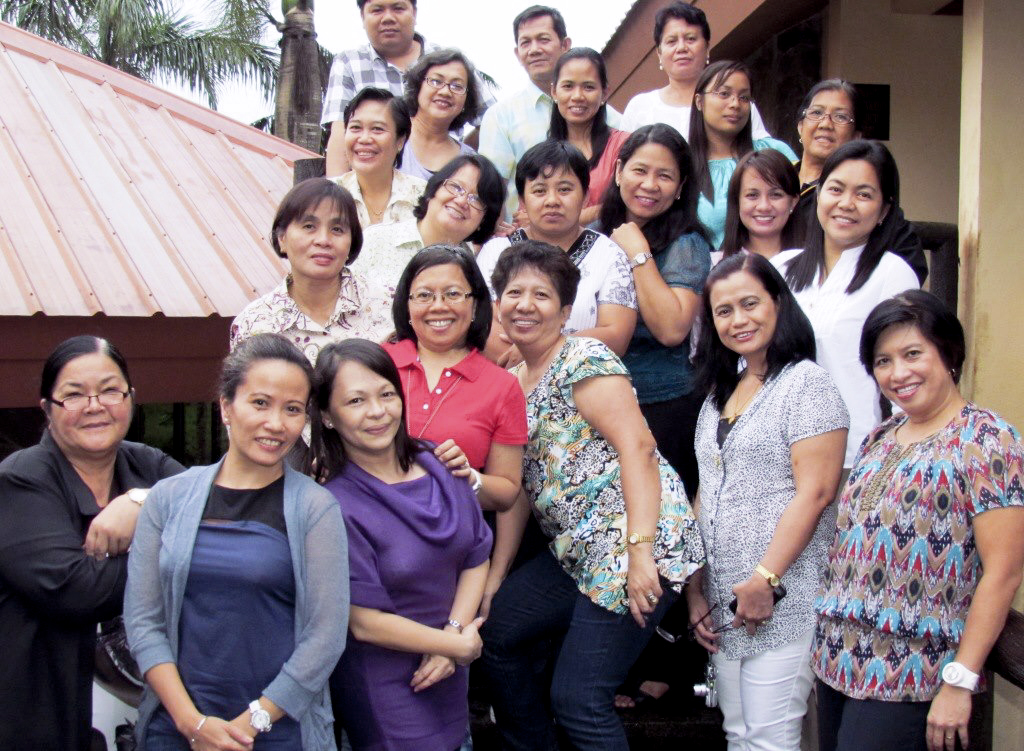
Harun-Ur Rashid, cropping systems specialist of the Khulna Hub of CSISA Bangladesh, won the best session paper award for Increasing productivity of rice-rice cropping system adopting short duration rice and mustard and relay cropping, which he presented during the International Conference on Environment, Agriculture, and Food Sciences held in Phuket, Thailand, on 11-12 August 2012. 

Learn more about IRRI (www.irri.org) or follow us on the social media and networks (all links down the right column).
IRRI holds fourth research data management course for 2012


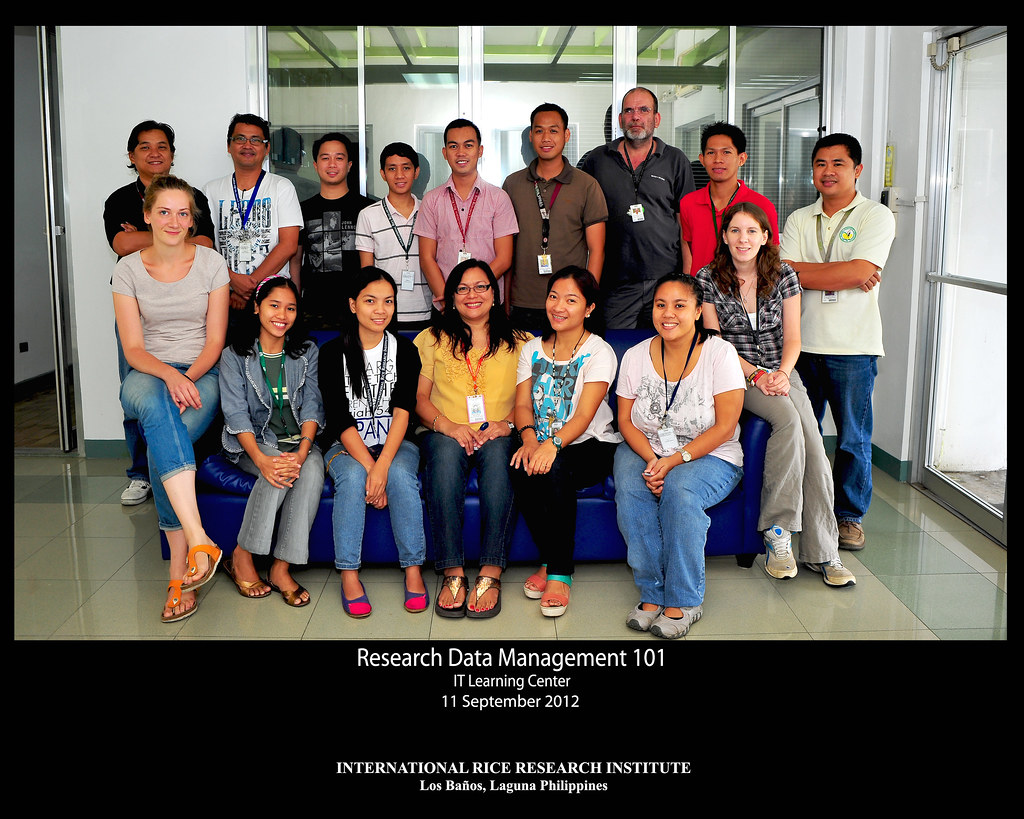
The fourth and last installment for the year of the Research Data Management (RDM) 101 training course started today, 11 September 2012, at the I.T. Learning Center in IRRI and will run for three half-days until 13 September.

The course aims to teach IRRI research staff good practices in gathering and managing research data. It covers organizing raw data in spreadsheets and databases; and data manipulation, checking, and validation. File management tools are also introduced and demonstrations conducted.

Ten participants, composed of researchers, interns and M.S./Ph.D. scholars from IRRI's various units, are attending the course.

Research data management is an important area of responsible conduct of research. Research data should be managed, shared, and preserved properly; management of it ought to be planned well right from the start of any project.

Resource persons were Marco van den Berg (chief information officer) and Rogelio Alvarez (IT manager for operations).

The RMQA-RDM 101 training team is composed of Menchu Bernardo, Icoy Mercado, and Dec Arreza. The next RDM 101 will be offered in 2013.


Learn more about IRRI (www.irri.org) or follow us on the social media and networks (all links down the right column).